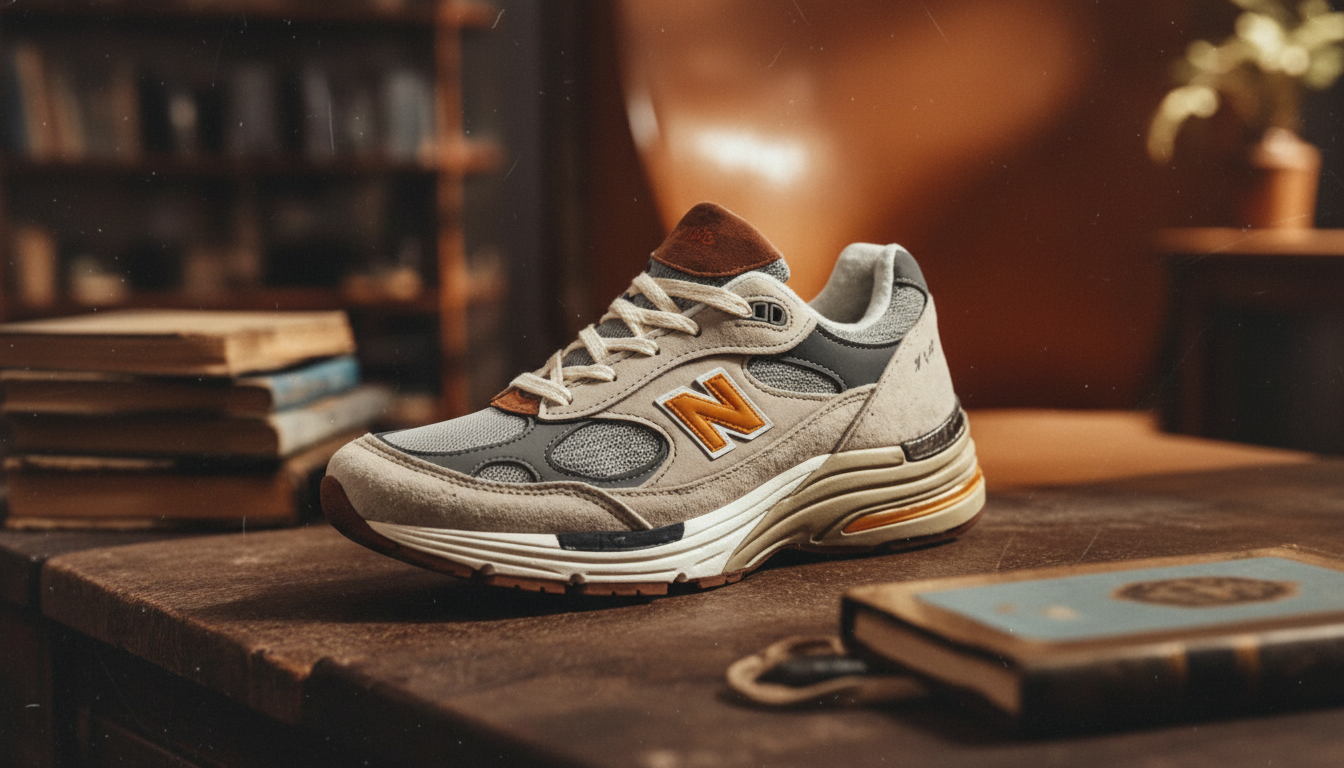
New Balance marketing is built around a few clear goals: strengthen brand trust, grow demand for performance and lifestyle footwear, and expand reach without losing the company’s reputation for fit, comfort, and quality. Instead of chasing every trend, New Balance typically aims to make the brand feel credible to athletes and everyday wearers alike, while keeping a consistent identity across categories.
A core objective is to stand out in a crowded athletic market by highlighting heritage, craftsmanship, and authenticity. New Balance often leans into what makes the brand recognizable—classic silhouettes, premium materials, and a practical focus on wearability—so shoppers can quickly understand what the brand represents.
Another major objective is to convert interest into purchases by connecting product features to real benefits. That means communicating cushioning, stability, durability, and fit options in a way that makes sense for different activities, from running and training to daily commuting and casual wear.
New Balance also targets cultural relevance by growing its lifestyle presence. Collaborations, limited releases, and trend-forward colorways help bring new consumers into the brand, while still linking back to comfort and performance credibility.
Marketing objectives commonly include keeping customers coming back—through consistent product quality, reliable sizing and fit, and a brand experience that feels dependable. Loyalty is supported when shoppers trust that the next pair will feel as good as the last, whether they’re buying for sport or everyday use.
For a deeper breakdown of these goals and how they show up in campaigns and positioning, visit the main article on New Balance marketing objectives.
It differentiates through a strong comfort-and-fit reputation, a heritage-driven image, and product lines that balance performance features with everyday wearability. The brand also benefits from recognizable classics and selective collaborations that add lifestyle appeal.






Leave a comment