What are solid headbands called?
Solid headbands are most commonly called hard headbands or rigid headbands. You’ll also hear names like plastic headbands, resin headbands, acrylic headbands, or metal headbands, depending on the material. In retail listings, they’re often grouped under “headband” with descriptors such as “structured,” “molded,” or “non-stretch.”
Why they’re called “hard” or “rigid” headbands
Unlike soft or elastic headbands that rely on stretch to stay in place, solid headbands keep their shape. The band is pre-formed to follow the curve of the head, so the “fit” comes from structure rather than tension from fabric. That’s why “hard” and “rigid” are the everyday terms shoppers use—simple and descriptive.
Common types of solid headbands
Solid headbands show up in a few popular styles, each with its own name in product descriptions:
- Classic hard headband: A smooth, uniform band—often plastic or resin.
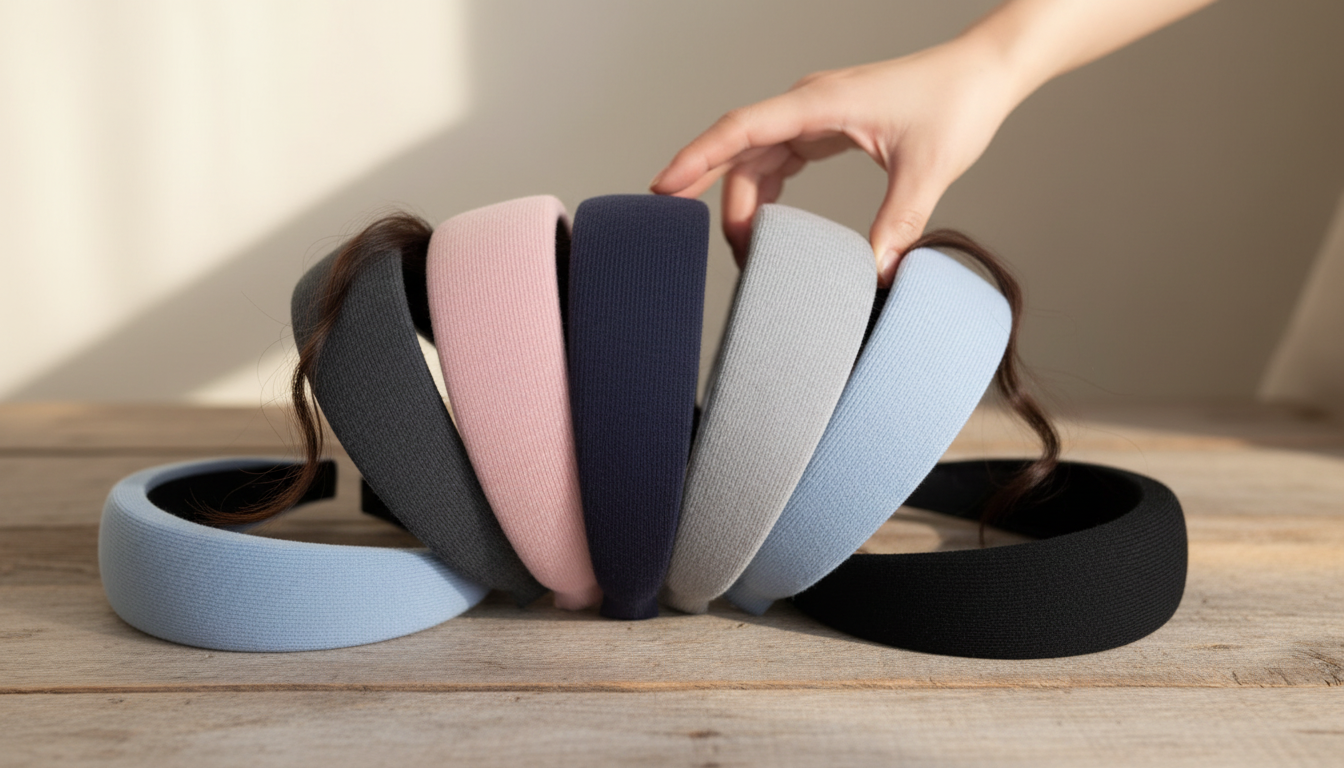
- Padded hard headband: A rigid base wrapped with padding and fabric for a softer feel.
- Wide or statement headband: A thicker, more noticeable silhouette, sometimes acrylic or wrapped.
- Metal headband: A thin, flexible-but-structured band, usually with a minimalist look.
How to choose the right solid headband
Look for details that affect comfort and hold: a slightly flexible frame (so it doesn’t pinch), a smooth interior or fabric lining (to reduce slipping), and rounded tips (to avoid pressure behind the ears). If you want stronger grip for fine hair, choose a style with subtle inner ridges or a velvet lining.
For more examples and naming variations used in shopping listings, visit https://monumena.com/what-are-solid-headbands-called/.
For Solid headbands: names, types, and how to choose, the best answer depends on fit, material, care instructions, and how the product will be used day to day.
FAQ
What is the difference between a hard headband and a soft headband?
A hard headband has a structured frame that holds its shape, while a soft headband is made from fabric or elastic that stretches and flexes. Hard headbands typically offer a more polished look, while soft headbands prioritize comfort and adjustability.
Recommended for you












Leave a comment