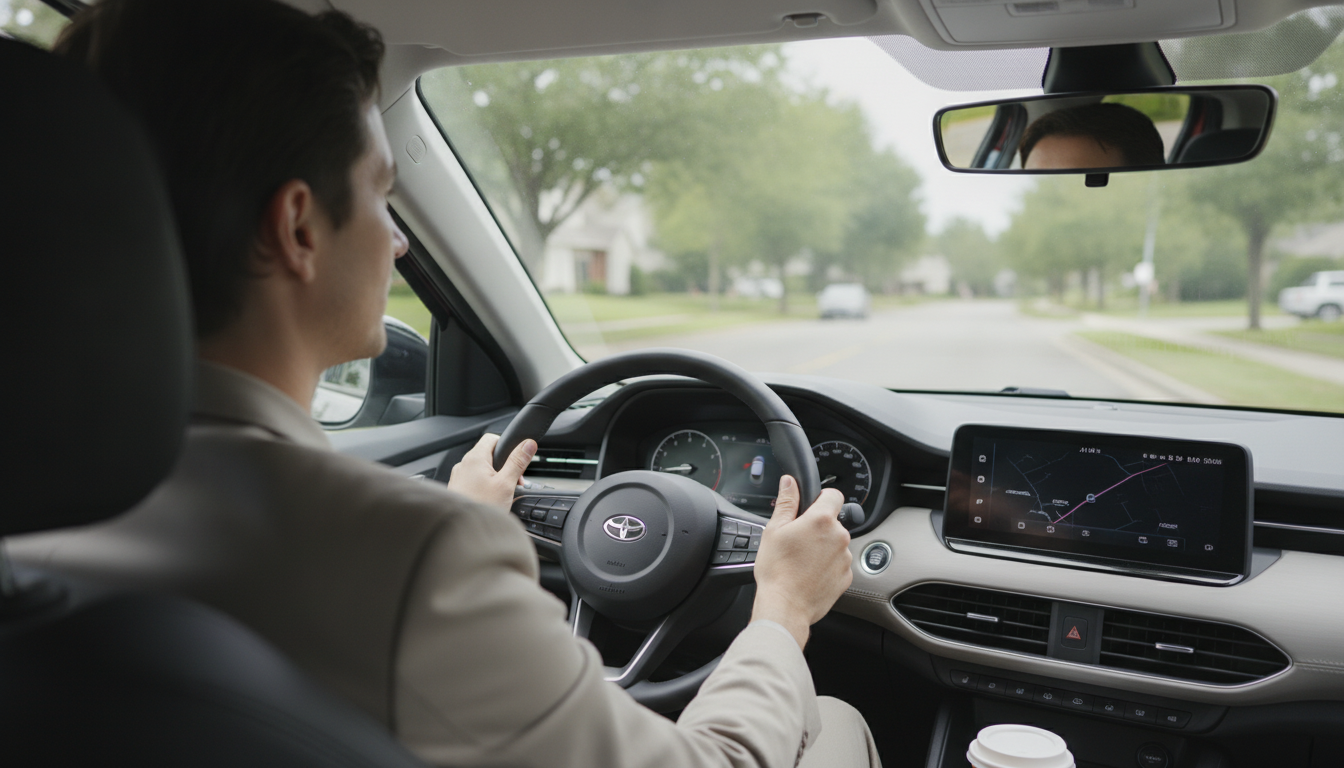
The driving technique that most consistently helps you use less fuel is smooth, anticipatory driving: accelerate gently, keep a steady pace, and look far enough ahead to avoid unnecessary braking. Every time a vehicle speeds up hard and then brakes hard, it wastes energy that you paid for at the pump. By keeping your speed changes small and predictable, the engine spends more time operating efficiently and less time “catching up” after sudden inputs.
Start by easing into acceleration instead of “jumping” off the line. Moderate throttle gets you up to speed efficiently without forcing the engine into higher fuel flow. Once you’re moving, aim to maintain a steady cruising speed—frequent speed swings, even small ones, add up over a commute.
Next, scan the road ahead. If you see traffic slowing, a red light, or congestion, lift off the accelerator early and coast (in gear) rather than staying on the gas until the last second. Coasting reduces the need for heavy braking, and many modern vehicles cut fuel during deceleration, which can further improve mileage.
On highways, use cruise control when conditions are safe and relatively flat; it can help reduce the subtle “speed creep” that burns extra gas. On hills, avoid aggressive surges—let speed drop slightly on the way up and recover gently on the way down. Also, keep a comfortable following distance so you can adjust smoothly instead of reacting abruptly.
For a deeper breakdown of practical habits that reduce fuel consumption, see the main guide here: https://monumena.com/which-driving-technique-can-help-you-fuel/.
For Smooth, Anticipatory Driving: The Fuel-Saving Technique, the best answer depends on fit, material, care instructions, and how the product will be used day to day.
It often helps on long, steady highway stretches by maintaining a consistent speed. In heavy traffic or very hilly terrain, it can be less effective because it may apply throttle more aggressively than a careful driver would.





Leave a comment