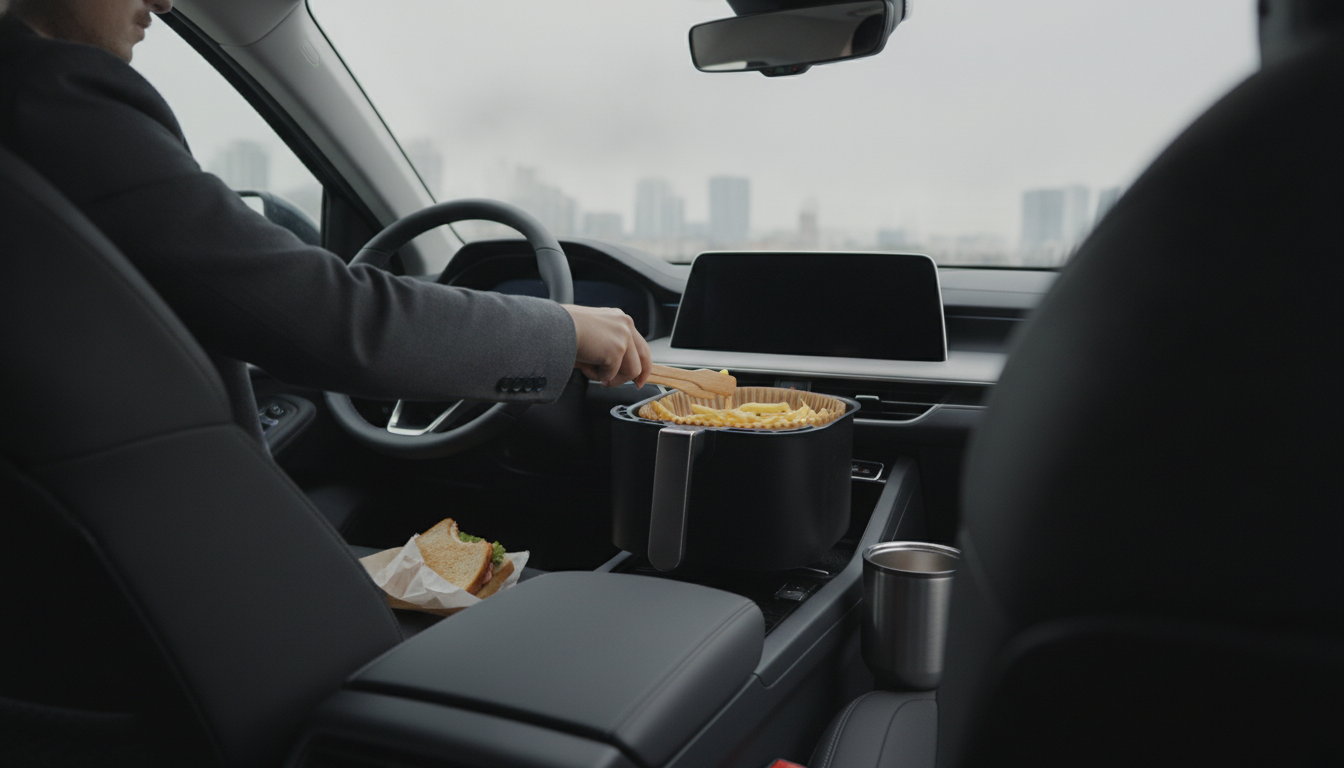
Yes—disposable air fryer liners can be a smart convenience, as long as they’re used correctly. They help catch grease and crumbs, reduce sticking, and make cleanup faster after cooking messy foods like wings, bacon, or marinated vegetables. They’re especially handy when cooking saucy items that would otherwise bake onto the basket or tray.
That said, liners aren’t required for most air fryer cooking, and there are situations where skipping them is better. Air fryers rely on strong, circulating airflow; anything that blocks that flow can lead to uneven browning, softer textures, and longer cook times.
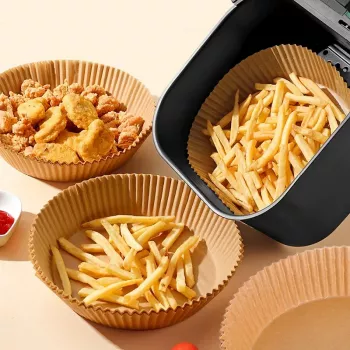
Use disposable liners when you want easier cleanup and you’re cooking foods that drip or shed. Parchment-style liners with perforations generally work best because they allow more hot air to circulate. Liners are also useful if you’re reheating foods that tend to leave behind sticky residue.
Avoid liners for foods that need maximum airflow for crisping, like fries, breaded items, or anything you want deeply browned. Also avoid placing a liner in the basket during preheating or running the air fryer empty: a lightweight liner can lift into the heating element if it isn’t held down by food.
Choose liners sized to your basket, place them flat, and only add them once you’re ready to cook. Make sure the liner is weighed down by the food so it can’t shift. Keep it away from direct contact with the heating element, and don’t overfill the basket—crowding plus a liner can reduce airflow even more.
For a deeper look at liner types, airflow tips, and common mistakes, visit https://monumena.com/should-you-use-disposable-liners-in-an-air-fryer/.
They can. If the liner blocks airflow—especially solid, non-perforated styles—food may brown less and turn out softer than usual.




Leave a comment