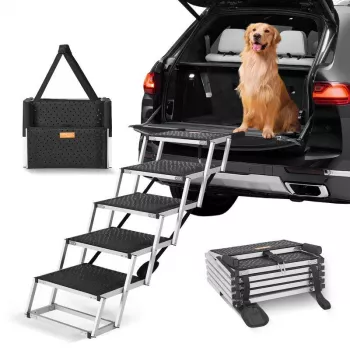
Many veterinarians do recommend dog stair lifts (often called stair-assist lifts or harness-and-lift systems) for pets that struggle with stairs due to arthritis, hip dysplasia, post-surgery restrictions, neurologic weakness, or age-related loss of strength. The goal is simple: reduce strain on painful joints and prevent slips or falls that can turn a manageable mobility issue into an emergency.
A stair lift can be a practical option when a dog still wants to follow the family but can’t safely climb or descend steps. Vets commonly suggest lift assistance for dogs that hesitate at the first step, bunny-hop, yelp, wobble, drag toes, or rush down the stairs and lose footing. It’s also frequently recommended during recovery periods, when limiting impact matters as much as preventing sudden twisting.
Veterinarians typically focus on safety, fit, and the dog’s comfort. A good setup should support the body evenly, allow controlled movement, and avoid putting pressure on the neck. Many dogs do best with a supportive harness paired with a guided lift handle or assist strap so the human can stabilize the dog’s balance rather than “carry” the full weight. For some households, a stair lift solution may be recommended instead of repeated jumping or risky stair attempts.
Start with short, calm practice sessions on a few steps, rewarding relaxed behavior. Keep the line of movement straight, move slowly, and avoid sudden lifting that can startle a dog or strain the handler. If a dog shows pain, panic, or worsening weakness, stop and ask the vet to re-check the plan—sometimes ramps, blocking stairs, or rehab exercises are safer alternatives.
For a deeper breakdown of who benefits most, what features matter, and how to choose the safest option, read the full guide here: Do vets recommend dog stair lifts?
Often, yes. A ramp can reduce joint flexion and impact compared with climbing steps, especially for dogs with arthritis or limited hip and knee range of motion.






Leave a comment